
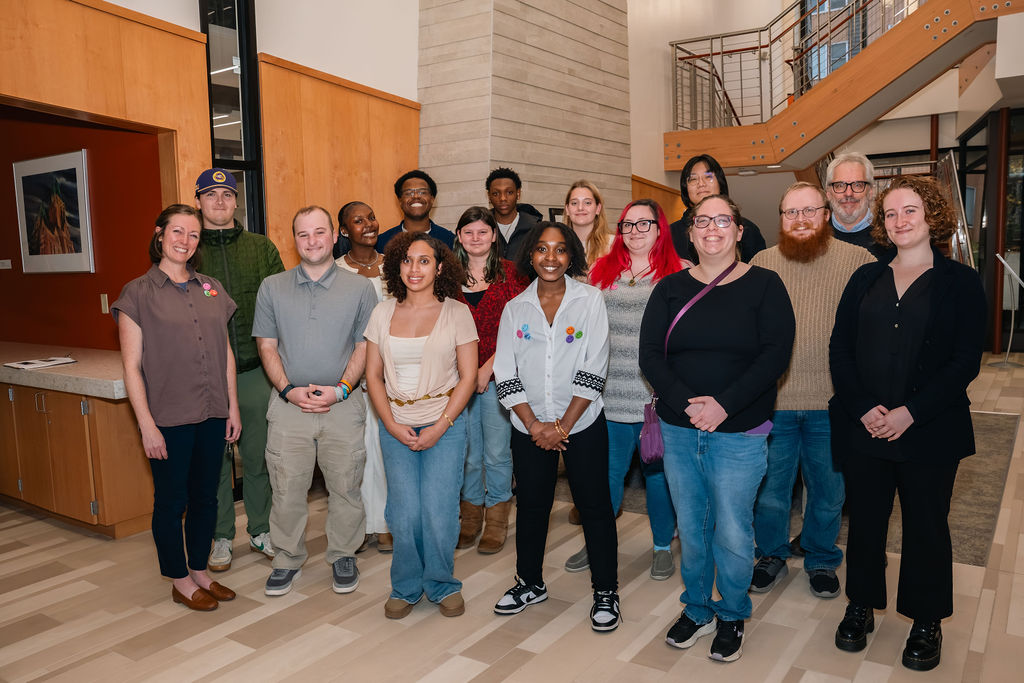
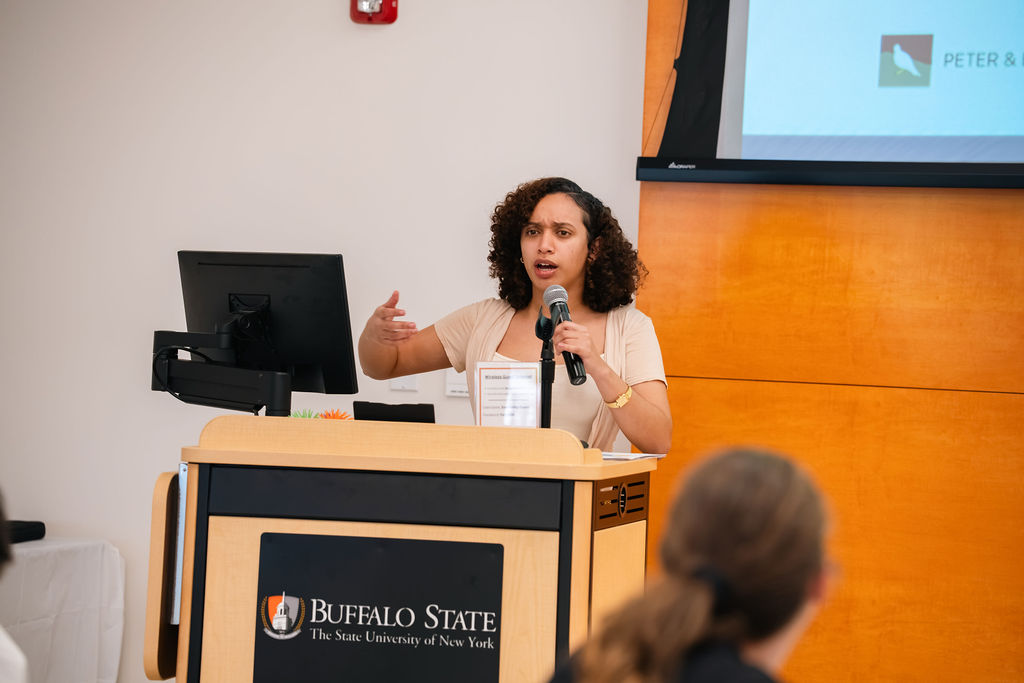
The 2026 Community Experts Team (CET) has successfully awarded $380,500 to 16 organizations as part of the group’s third annual in-person retreat, which took place in Buffalo earlier this month.
The retreat is the culmination of the Tower Foundation’s seven-month engagement with the CET – a group of young adults ages 16 to 26 that have lived expertise in the Tower Foundation’s geographies and funding priorities. The CET decides how to allocate the Tower Foundation’s Community Experts Fund, which has totaled nearly $1.4 million since the fund’s inception in 2022.
A Fund Guided by Lived Expertise
The CET was formed as part of the Tower Foundation’s participatory grantmaking initiatives. Participatory grantmaking is an approach to philanthropy that intentionally incorporates community members with lived expertise into decision making around funding priorities and beneficiaries.
Participatory grantmaking is critical because it’s just all too rare that philanthropy brings the people that you’re setting out to help into the fold or to the table,” said Nick Randell, program officer. “They are the ultimate recipients of the grant dollars, but their voices are just too often not centered by the grantmaking process.”
Team members are recruited early in the year from communities in Erie and Niagara Counties in Western New York, and Barnstable, Dukes, Essex, and Nantucket Counties in Eastern Massachusetts. They spend the subsequent months meeting over Zoom to learn about grantmaking and develop a Request for Proposals (RFP) based on an issue they feel is important to their community.
What the Team Set Out to Fund
This year’s CET sought to fund organizations that offer existing mentoring and coaching support for young people with intellectual disabilities, learning disabilities, mental health challenges, or substance use disorders. Team members offered valuable insight into the types of programs they felt are needed in their communities.
Across the 16 funded proposals, several themes emerged. Many programs rely on peer and near-peer mentors whose own experiences mirror those of the young people they serve. Others use the arts to build connection, confidence, and creative career paths. Several aim to prevent deeper involvement in the justice system through restorative practices and sustained mentoring, while others focus on job readiness and the life skills young people need for adulthood. A number of programs also support young people as advocates, giving them the tools to speak up on issues that matter to them.
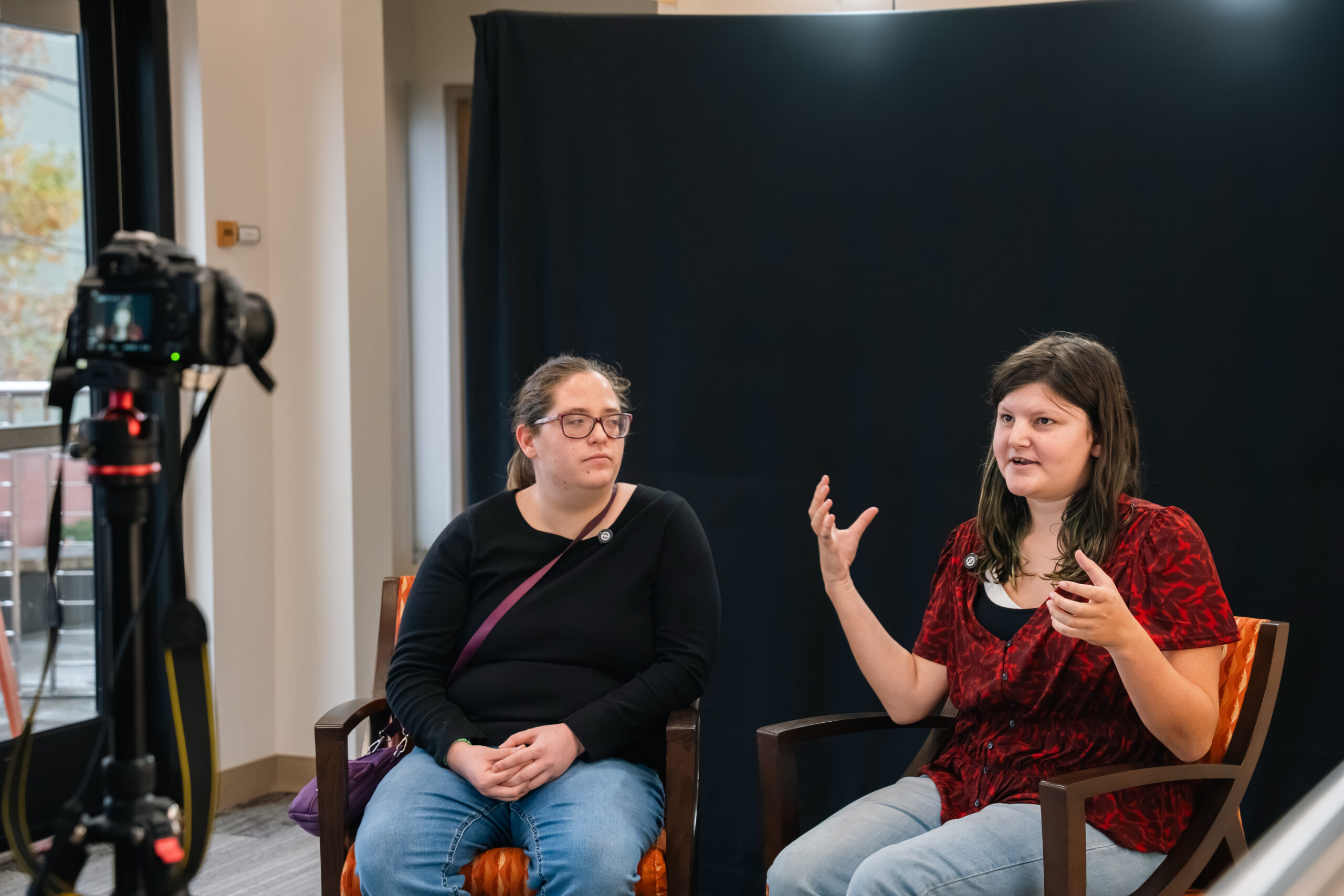
“A lot of the ones from Essex County are about preventing youth that have either just encountered the justice system or are at high-risk for going further into that route,” said Keyla L., a CET member from Lynn, Massachusetts. “You don’t just stop [youth crime] by arresting people, by putting people away. How do we get into mental health, and how do we help families before they get to the kind of situation where their child is involved with the justice system?”
“I looked gladly upon [grant proposals] that have to do with skill development,” said Alex L., a CET member from Williamsville, New York. “It’s really a tragic thing when people get left behind in terms of not being able to find a job or lacking the necessary skills to do so. I place a pretty strong emphasis on funding programs that help people develop the life skills and find jobs and placements after they’ve completed the programs.”
A Day of Discussion, Debate, and Decisions
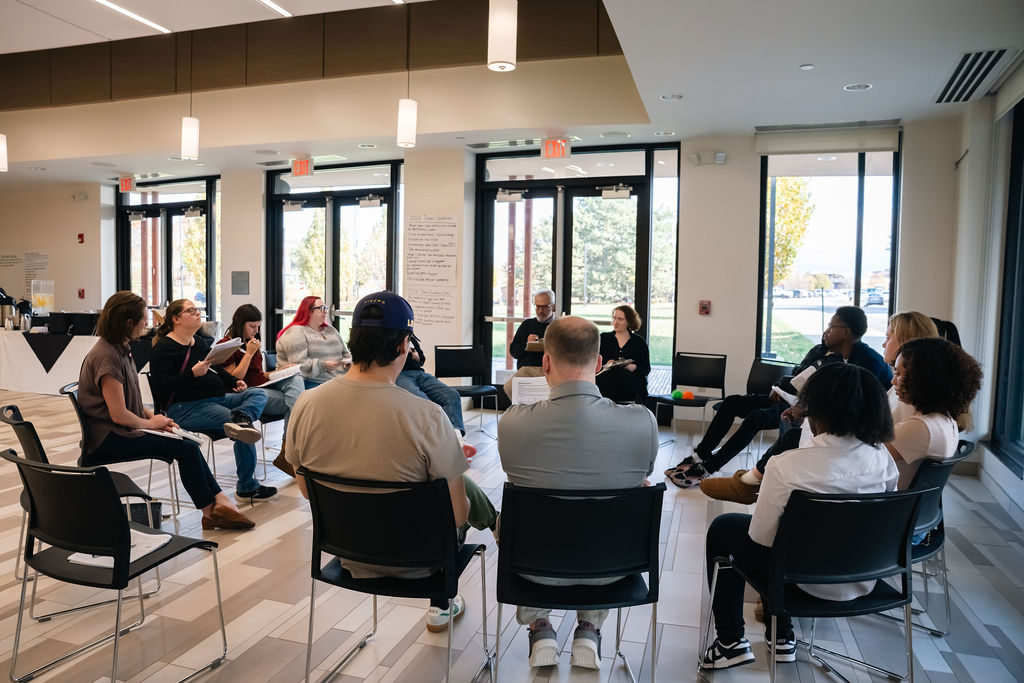
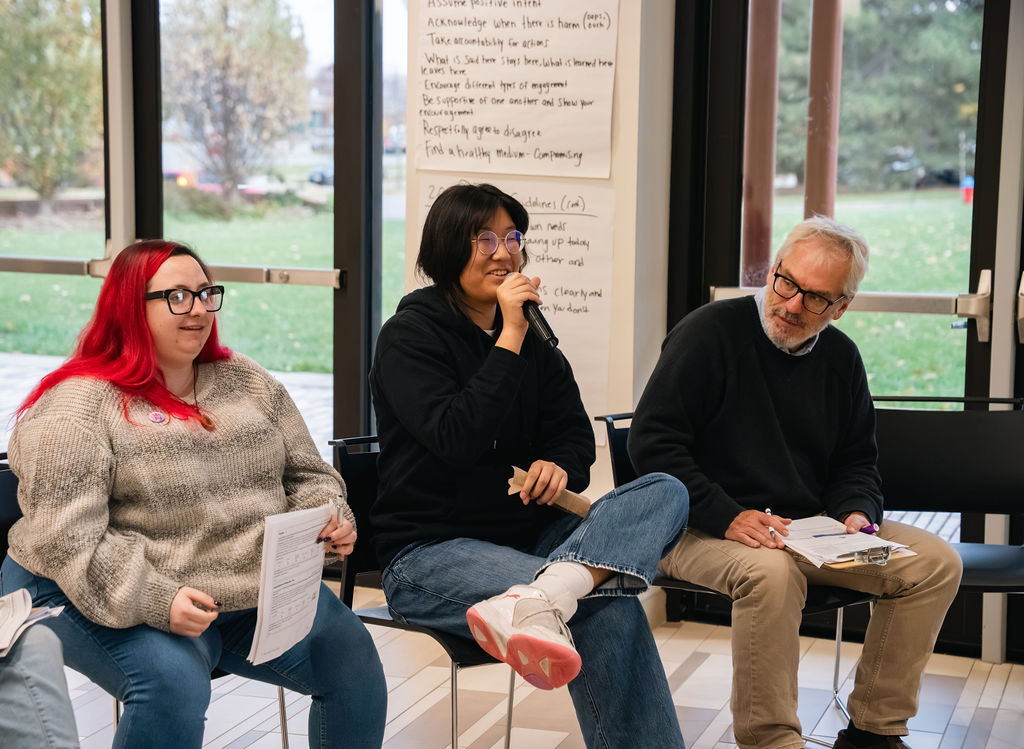
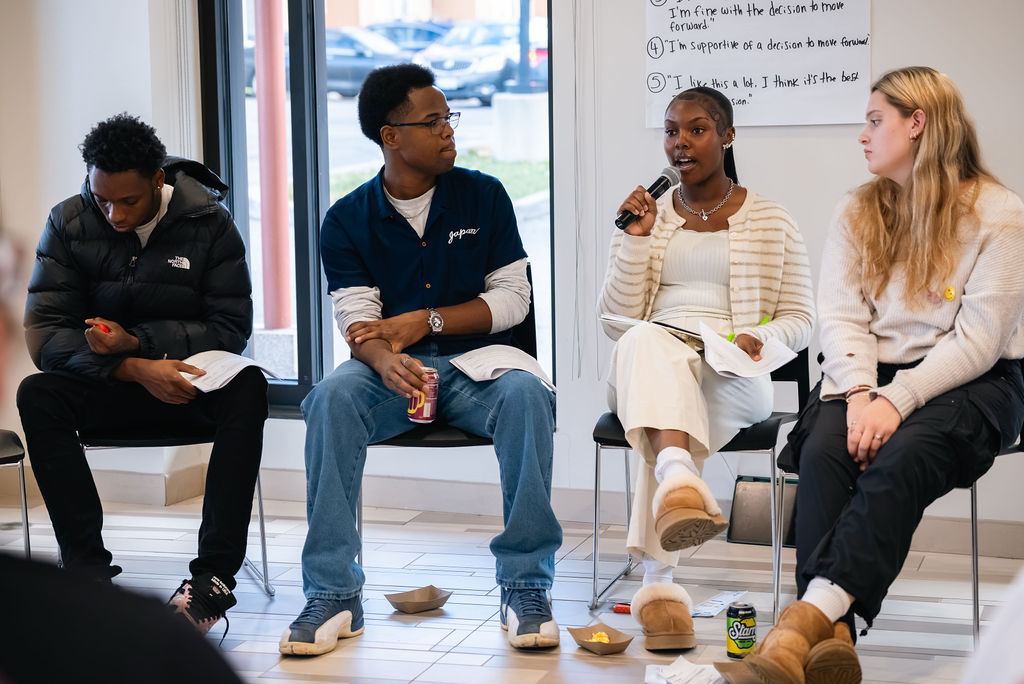
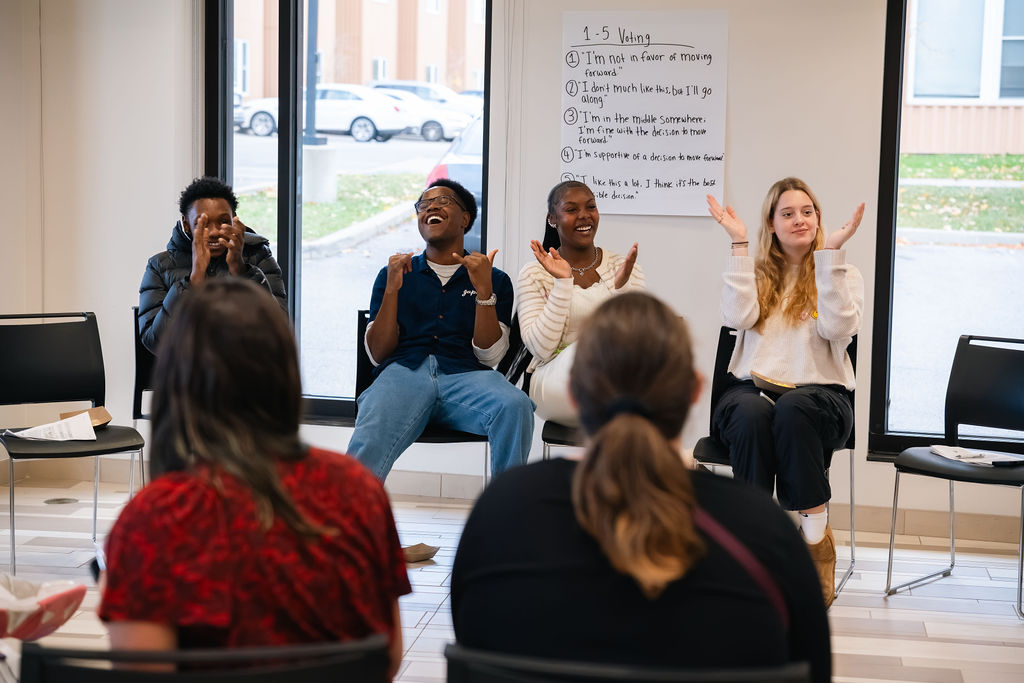
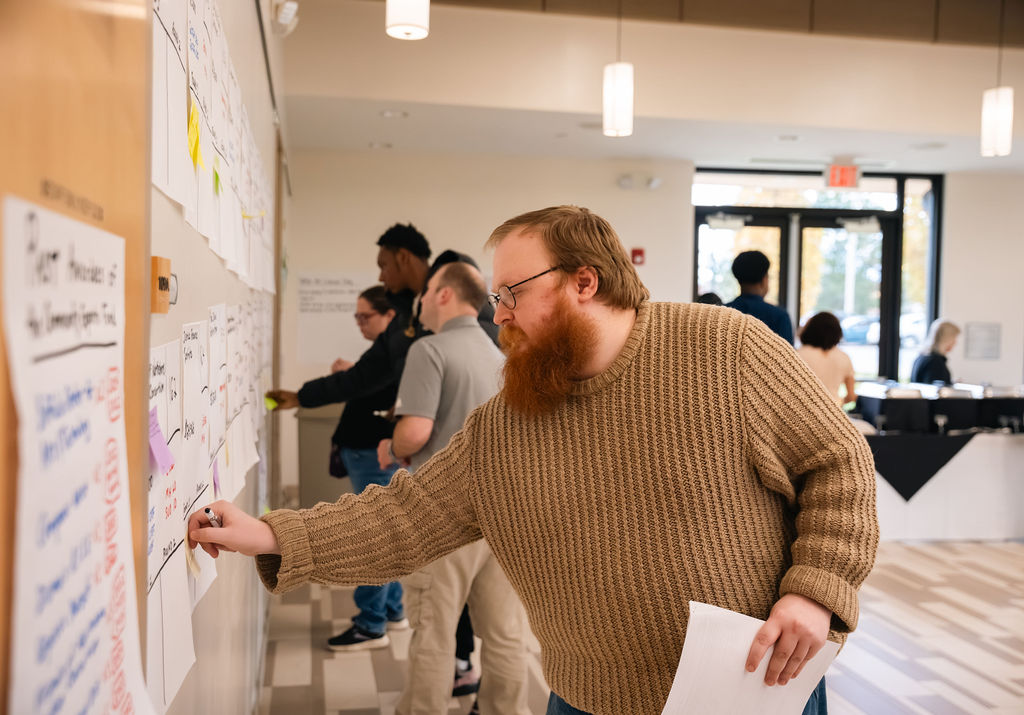
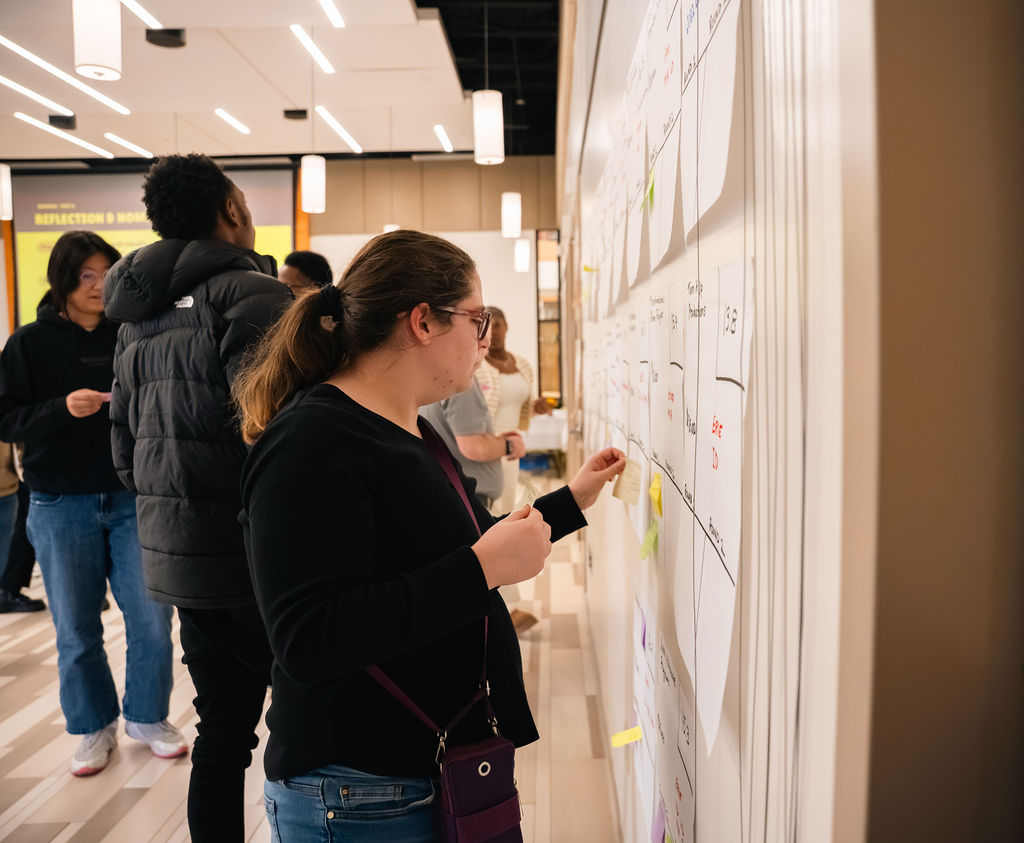
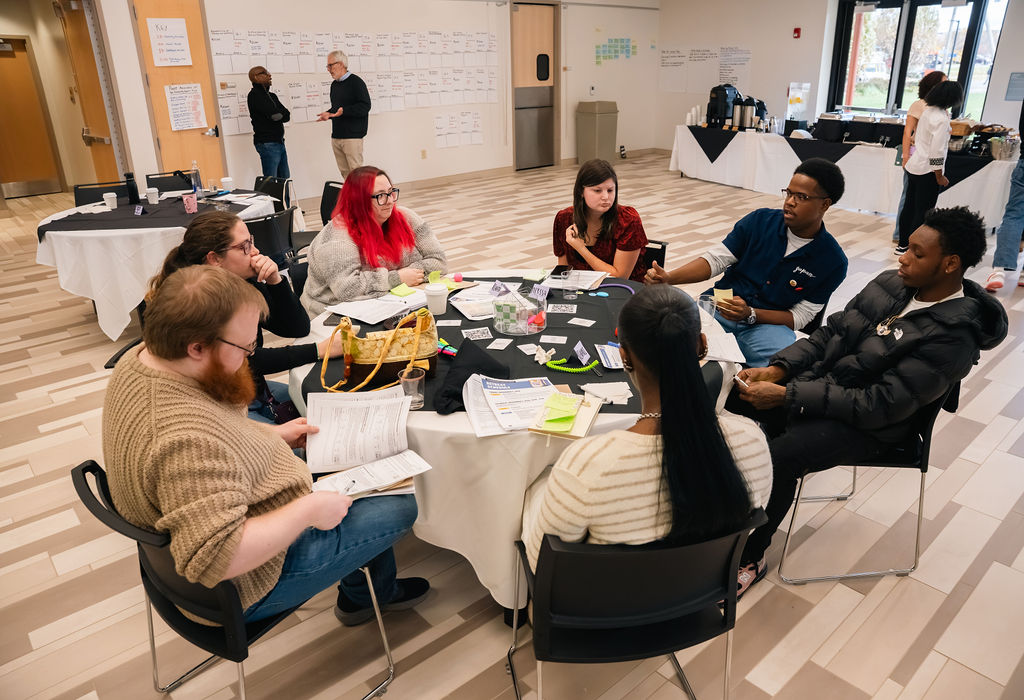
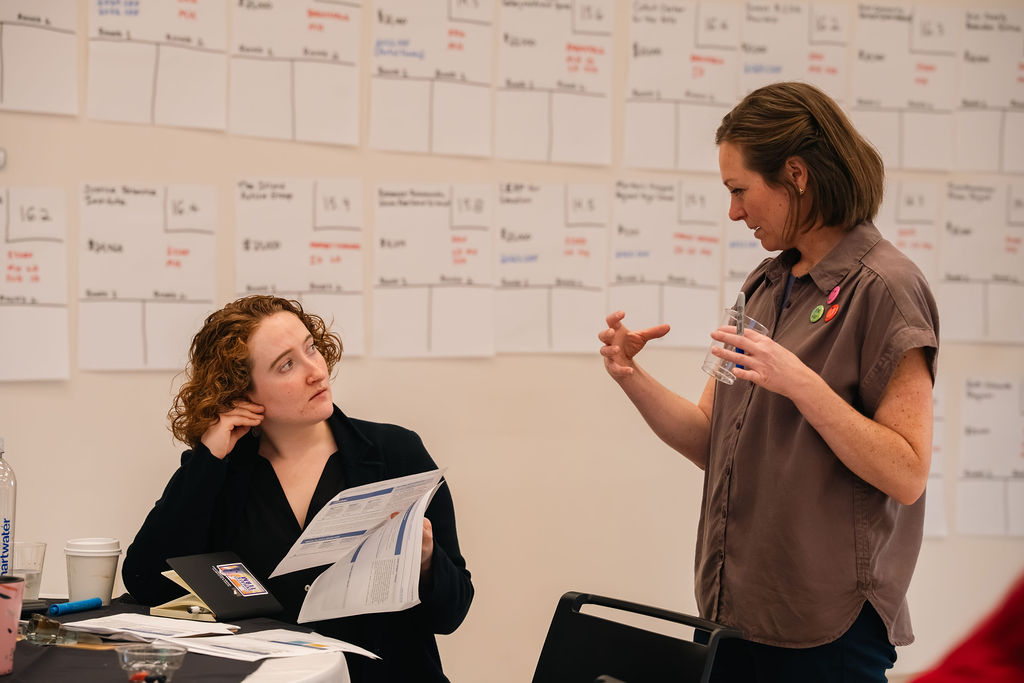
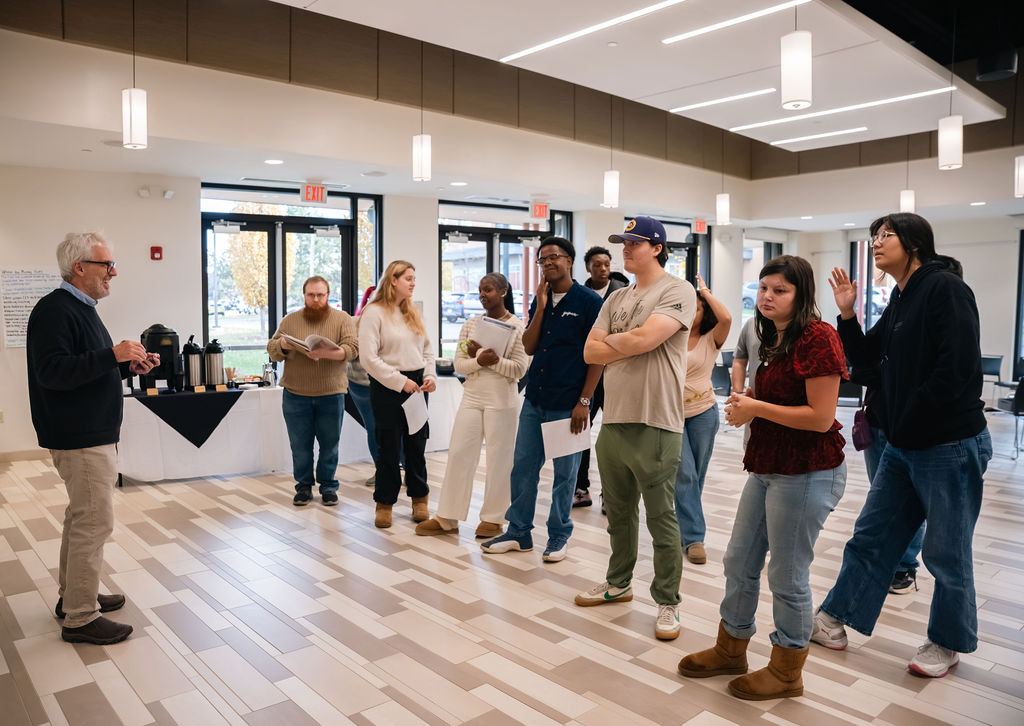
CET members independently review the proposals based on a common rubric before coming together in person to discuss and determine which would receive funding. What ensues is a lively day of discussion, debate, and ultimately, decision making.
“Our community experts are incredibly bright and thoughtful grant reviewers, and they brought a lot of rigor to their review,” said Megan MacDavey, program officer. “They looked really critically at the grant applications and had some great conversations around the resources it takes for these organizations to be able to stand up good programs.”
Throughout the retreat, CET members engage in several rounds of discussion and voting, with each proposal receiving dedicated time for review. CET members brought a sense of duty to their task, acknowledging the responsibility that came with deciding which programs would be funded, and which would not.
“It’s really hard to decide which organizations can get this grant money because they all have good ideas and goals, but not all of them can get the money,” said Edie S., a CET member from Orleans, Massachusetts.
“You kind of feel the human aspect of it, and it’s very easy to get stuck there,” said Andrew J., a CET member from Buffalo, New York, “but no matter which groups you choose, you are still benefitting someone.”
What Team Members Took Away
Team members shared that the CET experience offered them opportunities to learn about the grantmaking process, develop as leaders, and make new friends in a way that will be meaningful to their communities.
“We were all strangers before we met up and I feel like once we met up, we kind of connected,” said Savant W., a CET member from Buffalo, New York. “We were able to be open with each other.”
“My biggest takeaway is that once again, I was able to help so many people and impact the lives of so many humans in my area and in Massachusetts with the work that I put in,” said Renata P., a CET member from Buffalo, New York.
Read more about the Tower Foundation’s participatory grantmaking and watch videos from the 2024 and 2025 CET retreats.
Note: Quotes have been edited for brevity and clarity.
2026 Community Experts Fund Grant Recipients
- Back To Basics Outreach Ministries (WNY)
- Boys & Girls Clubs of Stoneham & Wakefield (MA)
- Buffalo Center for Arts and Technology (WNY)
- Child & Family Services (MA)
- Cotuit Center for the Arts (MA)
- Eliot Community Human Services (MA)
- Erie County Restorative Justice Coalition (WNY)
- Justice Resource Institute (MA)
- Martha’s Vineyard Regional High School District (MA)
- Mental Health Advocates of WNY
- The Cordial Eye Gallery and Artist Space (MA)
- The Island Autism Group (MA)
- Transformational Prison Project (MA)
- Urban Christian Ministries (WNY)
- Vinfen (MA)
- Youth Advocate Programs (WNY)




Photography by Kalvin Booker of Through His Lens Photography, in collaboration with Get Fokus’d Productions